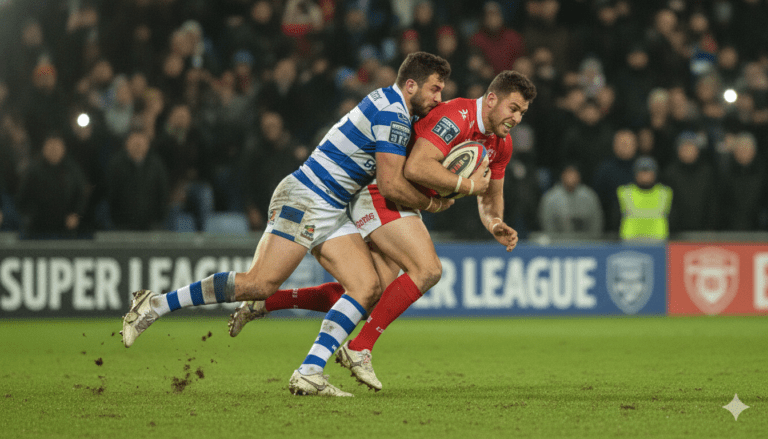
Do College Football Players Get Paid? Everything You Need to Know
Do College Football Players Get Paid is one of the most popular sports in the United States, attracting millions of fans and generating billions of dollars in revenue. From exciting stadium experiences to major television deals, college football has become a huge business. However, one question that many fans, students, and sports enthusiasts ask is: Do college football players get paid?
The short answer is yes. College football players can now earn money through several opportunities, including Name, Image, and Likeness (NIL) deals, sponsorships, endorsements, and direct payments from their universities. The rules surrounding college athlete compensation have changed significantly in recent years, giving players more opportunities to benefit financially from their athletic abilities.
In this article, we will explain how college football players get paid, how much money they can make, and what rules determine their compensation.
Do College Football Players Get Paid?
Yes, college football players can get paid. In the past, NCAA rules generally prohibited student-athletes from receiving money beyond scholarships and certain approved benefits. Players could receive educational support, housing, meals, and other scholarship-related benefits, but they were not allowed to earn money from their athletic popularity.
However, this system changed in 2021 when the NCAA introduced its interim Name, Image, and Likeness policy. This allowed college athletes to earn money by promoting businesses, signing endorsement agreements, appearing in advertisements, and using their personal brands.
Another major change came with the settlement of the House v. NCAA case, which allowed participating Division I schools to share athletic revenue directly with student-athletes beginning in 2025.
Today, college football players have more than one way to earn money while continuing their education and playing for their universities.
How Do College Football Players Make Money?
College football players can earn money through different opportunities. Their earnings depend on their performance, popularity, school, marketability, and individual agreements.
Here are some of the most common ways players make money.
1. Name, Image, and Likeness (NIL) Deals
NIL deals are one of the biggest sources of income for college football players. These agreements allow athletes to earn money by using their names, images, and personal brands.
For example, a college football player might partner with a clothing company, promote a restaurant, advertise sports equipment, or appear in a commercial.
Popular players with large social media followings often attract more sponsorship opportunities. However, smaller players can also earn money through local business partnerships.
2. Direct Payments From Universities
Following the House v. NCAA settlement, participating Division I universities can directly share athletic department revenue with their student-athletes.
This means college football players may receive compensation directly from their schools under approved revenue-sharing arrangements.
The amount varies depending on the university’s financial resources, athletic department budget, and individual agreements. Football players at major programs may receive significant portions of their school’s available athlete compensation budget.
3. Sponsorships and Endorsements
Sponsorships are another way college football players earn money. Companies may pay athletes to promote their products or services.
These partnerships can include:
- Sportswear and athletic equipment companies.
- Restaurants and food brands.
- Fitness and nutrition businesses.
- Local clothing stores.
- Technology and lifestyle brands.
The more recognizable a player becomes, the more opportunities they may receive.
4. Social Media Promotions
Social media has created additional earning opportunities for college athletes. Players with large audiences on Instagram, TikTok, YouTube, and other platforms can earn money through sponsored content.
For example, a player might receive payment for posting a promotional video, sharing a product recommendation, or participating in a brand campaign.
5. Autographs and Personal Appearances
College football players can also earn money by signing autographs, attending events, participating in promotional activities, and making personal appearances.
These opportunities allow athletes to earn income by connecting directly with their fans and supporters.
How Much Do College Football Players Get Paid?
There is no fixed salary for college football players. Their earnings can vary significantly from one athlete to another.
Some players earn only a small amount from local sponsorships, while highly popular athletes may receive substantial NIL agreements and revenue-sharing payments.
Several factors influence how much a player earns:
- Performance: Players who perform exceptionally well may attract more attention from brands and universities.
- Popularity: Athletes with strong fan followings often have better endorsement opportunities.
- Position: Quarterbacks and other high-profile positions may attract greater commercial interest.
- University: Schools with larger athletic revenues may have more resources available for revenue sharing.
- Social media presence: A large and engaged audience can increase an athlete’s marketability.
It is important to understand that not every college football player earns thousands or millions of dollars. Compensation differs widely, and many athletes receive much smaller financial benefits.
Do All College Football Players Receive Money?
No, all college football players do not receive the same amount of money. In fact, some athletes receive substantial financial compensation, while others earn very little.
The House v. NCAA settlement allows participating Division I schools to distribute revenue directly to athletes. However, schools are not required to give every player an equal share or provide payments to every athlete.
For example, a university might allocate a larger portion of its football budget to starting quarterbacks, star running backs, and other high-profile players.
Other players may receive scholarships, academic benefits, or smaller NIL opportunities instead of large financial payments.
According to the College Sports Commission, the revenue-sharing cap for the 2025–26 academic year is $20.5 million per participating school. This is a school-wide cap, not an individual player’s salary. College Sports Commission+1
Can College Football Players Get Paid Without a Scholarship?
Yes, college football players can earn money without receiving an athletic scholarship.
NIL opportunities are not limited to scholarship athletes. Players who are walk-ons can also sign sponsorship agreements, promote businesses, and earn money through social media.
However, their financial opportunities may depend on their popularity, athletic performance, and ability to attract sponsors.
Walk-on players can also receive other permitted educational and athletic benefits depending on their university’s policies.
Do College Football Players Have to Pay Taxes on Their Earnings?
Yes, college football players generally have to pay taxes on taxable income earned through NIL agreements and other compensation.
Money received from sponsorships, advertisements, promotional appearances, and other business activities may be considered taxable income.
Athletes should keep records of their payments and business expenses. They may also need to make estimated tax payments depending on their earnings and individual circumstances.
Working with a qualified tax professional can help college athletes understand their responsibilities and avoid unexpected tax bills.
Are College Football Players Considered Professional Athletes?
Not necessarily. College football players can receive compensation without automatically becoming professional athletes.
They remain student-athletes and can continue participating in college sports while earning money through approved arrangements.
The College Sports Commission explains that receiving institutional revenue-sharing payments does not, by itself, make a student-athlete an employee of the university. College Sports Commission+1
College football is therefore different from professional leagues such as the NFL, where players generally sign employment contracts with teams.
What Changed After the House v. NCAA Settlement?
The House v. NCAA settlement was one of the biggest developments in college sports history.
On June 6, 2025, the settlement received final court approval. It created a new system that allows participating Division I universities to share athletic department revenue directly with student-athletes.
The settlement also introduced new rules for NIL agreements and athlete compensation.
Some important changes include:
- Universities can directly compensate eligible student-athletes.
- Participating schools can distribute revenue up to an annual financial cap.
- Athletes can continue earning money through third-party NIL agreements.
- Schools have additional flexibility to provide athletic scholarships.
- NIL agreements must follow applicable reporting and compliance requirements.
These changes have created more financial opportunities for college football players and athletes in other sports. College Sports Commission+1
Conclusion: Do College Football Players Get Paid?
Yes, college football players get paid, and the opportunities to earn money have increased significantly in recent years. Thanks to NIL agreements and the House v. NCAA settlement, athletes can now benefit financially from their popularity, athletic abilities, sponsorships, and university revenue-sharing programs.
However, not every player earns the same amount. Some receive large sponsorship deals and direct university payments, while others earn smaller amounts or rely primarily on athletic scholarships and educational benefits.
As college sports continue to evolve, player compensation will likely remain an important topic. For now, college football players have more opportunities than ever to earn money while pursuing their education and competing at a high level.
Frequently Asked Questions
1. Do college football players get a salary?
Some college football players receive direct payments from participating universities and earn additional money through NIL agreements. However, they do not all receive a fixed salary.
2. How do college football players make money?
They make money through NIL deals, sponsorships, endorsements, social media promotions, autograph signings, personal appearances, and university revenue-sharing programs.
3. Do college football players get paid every month?
Payment schedules depend on individual agreements. Some athletes receive regular payments, while others receive one-time payments or payments based on completed promotional work.
4. Can college football players make millions of dollars?
Yes. Highly marketable players can earn millions through major NIL agreements and university compensation arrangements, although this is not typical of every college athlete.
5. Do college football players get free education?
Eligible scholarship athletes may receive tuition, housing, meals, and other educational benefits depending on their scholarship arrangements.